Digital Marketing
Digital Marketing Made Easy: A Beginner’s Ultimate Guide
In the digital era, businesses and individuals must harness the power of the internet to stay competitive. Digital marketing has transformed how brands connect with customers, offering cost-effective and measurable ways to grow. If you’re just starting out, this guide will break down digital marketing into easy-to-follow steps that set you up for success.
✅ What is Digital Marketing?
Digital marketing refers to promoting products, services, or brands through digital channels such as:
- Search Engines (Google, Bing)
- Social Media (Facebook, Instagram, LinkedIn)
- Email Campaigns
- Websites & Blogs
- Online Paid Ads (Google Ads, Facebook Ads)
Unlike traditional marketing (TV, print ads), digital marketing allows precise targeting, real-time performance tracking, and more affordable solutions for every budget.
🌟 Key Components of Digital Marketing Explained
1️⃣ SEO (Search Engine Optimization)
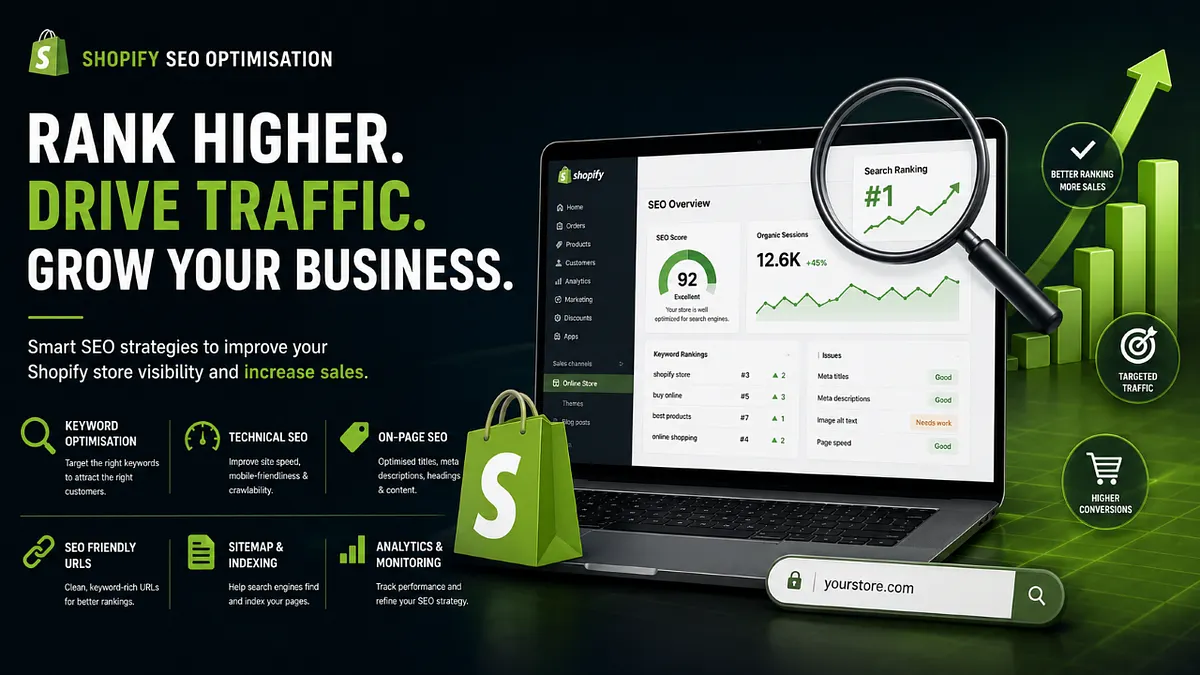
SEO helps your website rank higher in search results organically. This involves:
- Keyword research (finding terms your audience searches for).
- Optimizing content with those keywords.
- Improving page speed and mobile responsiveness.
- Building backlinks from other websites.
Example:
If you run a fitness blog, writing an SEO-optimized article like “Top 10 Beginner Workout Tips for Weight Loss” helps you rank when someone searches for that phrase.
2️⃣ Social Media Marketing
Use platforms like Facebook, Instagram, LinkedIn, and Twitter to:
- Share engaging content (posts, videos, reels).
- Build your audience.
- Run paid ads to promote offers.
Example:
A small bakery can use Instagram to showcase product photos, offer limited-time discounts, and engage directly with customers through Stories.
3️⃣ Paid Advertising (PPC — Pay Per Click)
Create ads that appear in Google search or social media feeds to drive traffic and sales quickly.
- Google Ads target users searching specific terms.
- Facebook Ads target audiences based on interests, location, or behavior.
Example:
A local plumbing service can use Google Ads to show their services when people search “emergency plumber near me.”
4️⃣ Email Marketing
Build a mailing list and send newsletters or promotional offers.
- Personalize content based on user behavior.
- Automate email sequences for lead nurturing.
Example:
An online course platform can send free tips via weekly emails and offer discounts to encourage sign-ups.
5️⃣ Content Marketing
Publish valuable blog posts, videos, and infographics to inform and engage your audience.
- Helps improve SEO.
- Establishes authority in your niche.
Example:
A digital marketing consultant can write articles such as “How to Use Instagram Reels for Business Growth” to attract potential clients.
🎯 Why Should Beginners Learn Digital Marketing?
Digital marketing is one of the fastest-growing industries with high demand for skilled professionals. Whether you aim to start your business, freelance, or get hired in a marketing role, learning digital marketing helps you:
- Reach global audiences.
- Generate leads and boost sales.
- Build a personal brand.
- Increase website traffic sustainably.
- Access high-paying job opportunities and freelance projects.
📊 According to industry research, over 70% of marketers say improving SEO and content marketing leads to the best ROI.
🚀 Step-by-Step Digital Marketing Strategy for Beginners
✅ Step 1 — Learn the Basics
Start with free online courses such as:
- Google Digital Garage
- HubSpot Academy
- Coursera’s Digital Marketing Basics
✅ Step 2 — Build Your Online Presence
- Create a blog or website using WordPress or Wix.
- Set up social media profiles (Facebook, LinkedIn, Instagram).
👉 Tip: Choose a niche that interests you (fitness, tech, education).
✅ Step 3 — Master SEO
- Research keywords using free tools like Google Keyword Planner or Ubersuggest.
- Write articles targeting long-tail keywords (e.g., “how to start a blog for beginners”).
- Optimize images with alt-text and compress for faster load times.
✅ Step 4 — Experiment with Social Media Ads
- Run small-budget ads to promote a service or blog.
- Test targeting different audience segments and track results.
📈 Example:
Spend ₹500 for a Facebook ad promoting your free e-book and monitor how many leads you generate.
✅ Step 5 — Analyze & Improve
Use tools like:
- Google Analytics — to track website traffic.
- Google Search Console — to monitor keyword performance.
- Facebook Insights — to analyze post engagement.
Adjust your strategy based on data. For example, if most traffic comes from mobile, ensure your website is fully mobile-responsive.
✅ Common Mistakes Beginners Must Avoid
❌ Not focusing on audience needs
✔ Instead: Create helpful content that solves problems.
❌ Ignoring analytics
✔ Instead: Regularly monitor performance and adjust.
❌ Relying only on paid ads
✔ Instead: Balance with organic methods (SEO, content).
✅ Final Thoughts
Digital Marketing is an exciting and rewarding skill that’s within everyone’s reach. With persistence, continuous learning, and by following proven strategies, beginners can achieve real results.
Start small, practice often, and never stop testing new approaches.